← All articles
August 29, 2026 · 2 min read
What Actually Makes a Website SEO-Friendly?
A practical, non-technical guide to structure, content, performance and signals that help both people and search engines.
Written byPrabhat Ghimire
Website Administrator
An SEO-friendly website is not a website with keywords added everywhere. It is a useful, technically accessible experience that makes its purpose clear to visitors and search engines.
- Start with search intent Before creating a page, define the question or need it should solve. A service page, comparison guide and educational article serve different moments. When one page tries to do all three jobs, its message becomes weak.
- Build a logical information structure Important pages should be reachable through clear navigation and relevant internal links. Use descriptive URLs, one primary topic per page, and headings that explain the content rather than decorate it.
- Write unique titles and descriptions A strong title communicates the topic and value of the page. The meta description should give searchers an honest reason to click. Avoid repeating the same title across multiple pages.
- Make important content accessible Search engines should be able to discover the page and understand its main content without relying on a complex interaction. Use semantic HTML, descriptive image alternative text, and crawlable links.
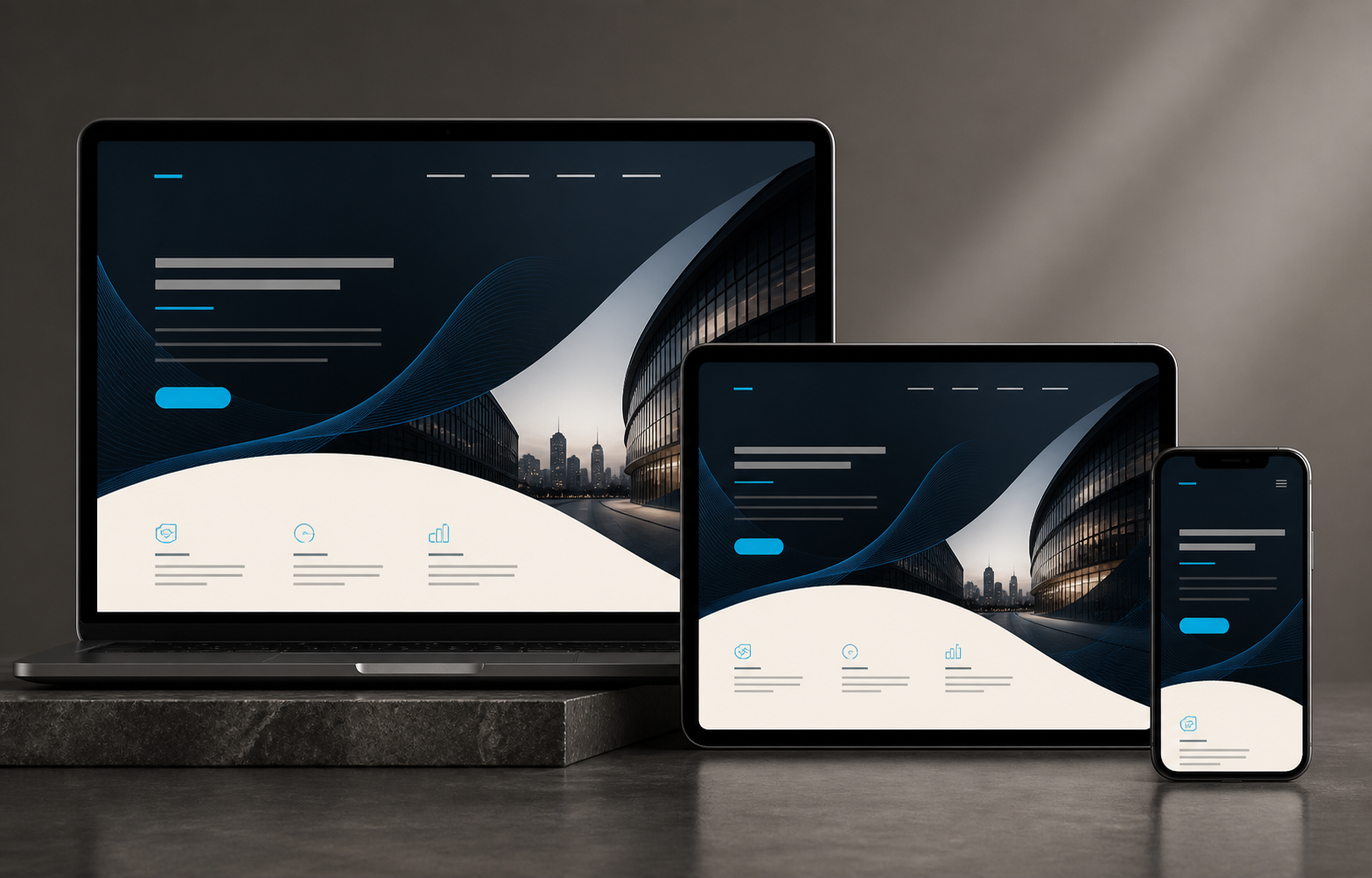
- Prioritize mobile experience Most visitors will judge the website on a small screen. Text should be readable, buttons easy to tap, forms simple to complete, and content free from horizontal scrolling.
- Improve performance Compress large images, avoid unnecessary scripts, use sensible caching, and choose dependable hosting. Performance is not only a technical score—it affects whether real visitors stay long enough to understand the offer.
- Demonstrate trust Clear authorship, real contact information, useful case studies, accurate claims, and transparent service details help visitors evaluate credibility.
- Measure meaningful outcomes Track which pages attract relevant visitors, lead people toward services, and contribute to inquiries. Traffic without business relevance is not the goal.
Final checklist Every important page should have a clear purpose, descriptive URL, unique title, helpful heading structure, useful content, internal links, appropriate call to action, mobile-friendly layout, and fast-loading media. SEO works best when these elements support a genuinely good experience.